
Your Wellness, Your Way
Ever wake up first thing in the morning completely tired? We know how that feels. Our small business connects busy people like you with products you need to help unleash the energy already in you.
So you don’t have to wake up tired every day.
Who we are.
We’re Dion and Cathy Baker. We started our small business because we wanted to send our young son to the school we could afford, not just the one we were next to.
We continued in our business because we saw an opportunity to help others take control of their health so they can have the energy, strength and dexterity to do the things that are important to them, for as long as they want to do it.
Our Team

Dion Baker
Co-FounderThe struggle to move from financial 'survival' to true 'stability and surplus' feels impossible today. This is the core challenge faced by young workers threatened by technology, young families squeezed by inflation, and boomers seeking to leverage their expertise while supplementing their retirement.
Dion Baker brings to the team a unique perspective and proven methodology, built on 30+ years of administrative, technical, and sales leadership, martial arts discipline, and deep business expertise. This foundation is used to establish trust and guide clients toward a reliable, consistent income stream.
Through technology and mentorship, Dion empowers personal and professional growth, helping others transform their existing skills and expertise into a durable financial platform for the future.
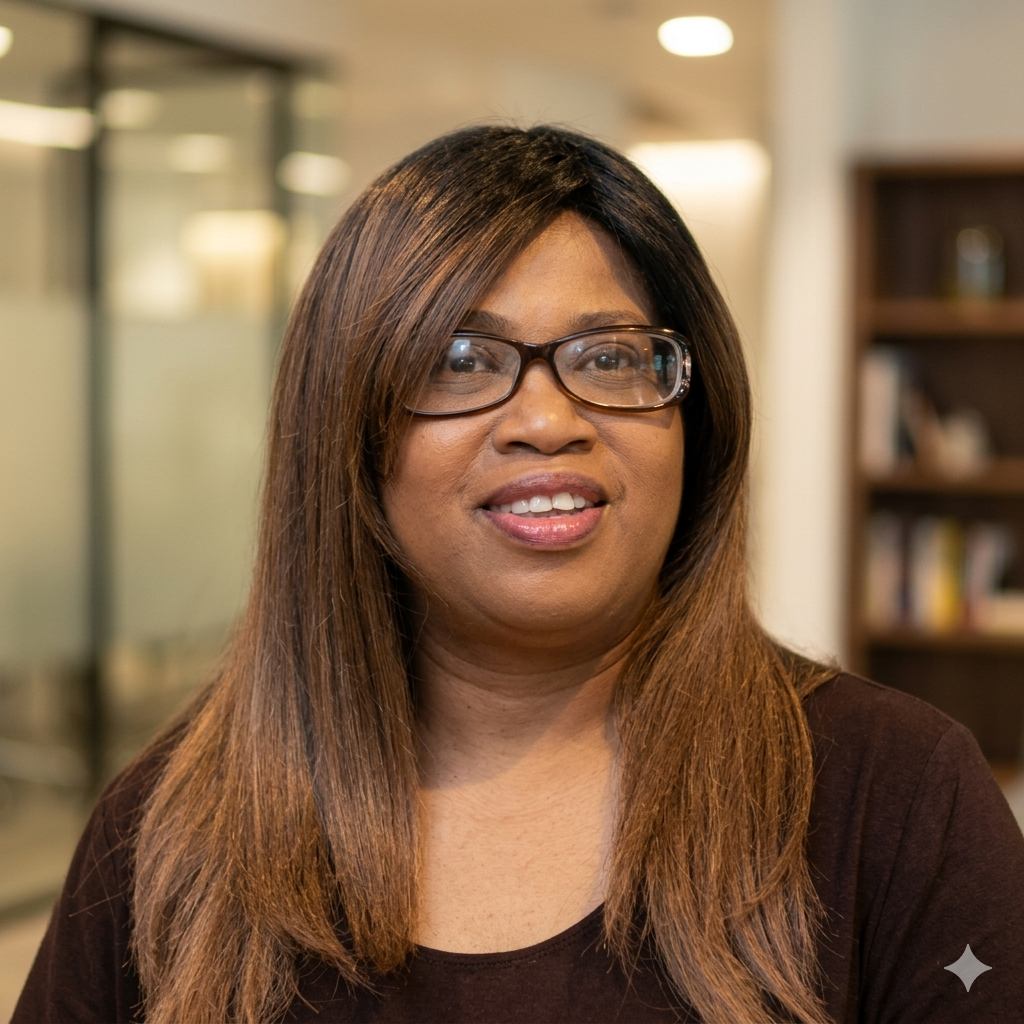
Co-FounderCathy Baker
Leveraging a quarter-century of dental practice management, Cathy integrates seasoned problem-solving with profound empathy into our enterprise. As a committed wife and mother, she prioritizes the creation of inventive, impactful customer journeys.
Disciplined, accessible, and steadfastly committed to tangible outcomes, Cathy fosters durable professional alliances. She excels at active listening and proactive need-fulfillment, bridging the gap between challenges and solutions with assurance and authentic concern.
The May Newsletter
What is Healthspan, and why should I care?
David D. Church, PhD says the key to a good late life is keeping your mind and body independent. It's about how much life is in your years, not just how many years you live.
Healthspan is the time in your life when you are healthy, active, and free from chronic disease. We care because medicine has extended lifespan (how long we live) but not healthspan (healthy years). This often means the last 10 years of life are spent with pain, cognitive decline, and dependence on others. [1,2,3,4,5]
After two decades focused on fitness, my goals have changed. Now that I am older, I focus less on looking good (high kicks and "beach muscles") and more on long-term functional well-being. My workouts are about keeping my physical independence for years to come.
Why Healthspan Matters
Quality vs. Quantity: Lifespan is total years; Healthspan is the number of healthy, disease-free years.
The "Morbidity Gap": On average, people spend the last 10–15 years dealing with chronic diseases (like heart disease or dementia).
Economic Strain: Chronic illness is expensive, draining retirement savings due to high medical and caretaking costs.
Independence Preservation: A long healthspan means you keep your mobility, mental clarity, and the ability to care for yourself as you age. [1,2,3,4,5]
Healthspan vs. Lifespan: A Comparison
The table below illustrates how two individuals can have the exact same lifespan but drastically different experiences due to healthspan:
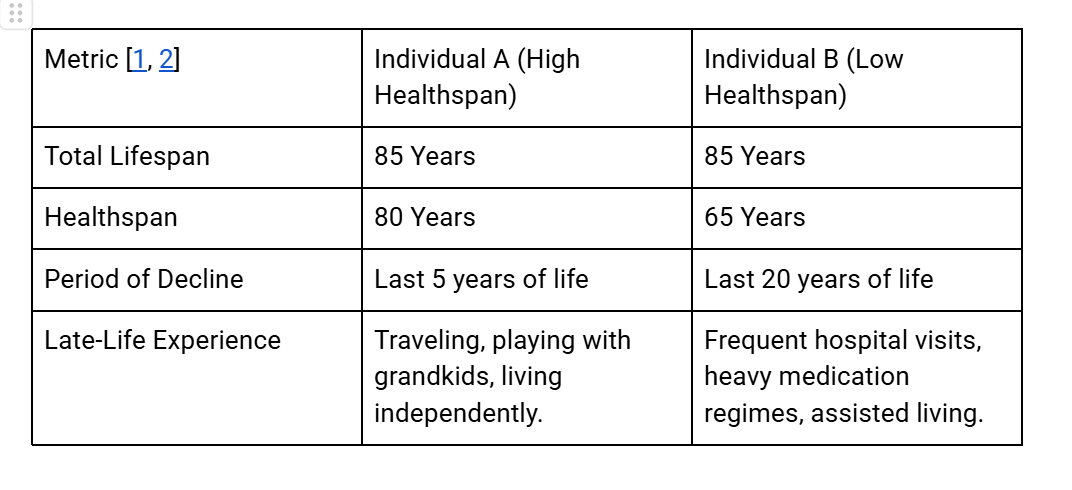
Healthspan vs Lifespan
Drivers of Healthspan Decline
Researchers point to four major factors that cause healthspan decline:
Cardiovascular Deconditioning
Muscle Loss and metabolic dysfunction
Chronic Inflammation
Neurodegenerative Processes
Cardiovascular Deconditioning (Lack of Aerobic Fitness)
Modern life is highly sedentary (lots of sitting, little moving). We automate everything—getting food, controlling our homes—often without leaving the sofa. This lack of exercise severely reduces aerobic capacity. Over time, this loss of fitness makes simple tasks (like walking up stairs or across a parking lot) a major challenge, leading to a loss of basic independence.
Muscle Loss / Metabolic Dysfunction
We often accept muscle loss after age 50 as normal. This is linked to how our bodies process protein and is worsened by:
A Western diet high in simple sugars and carbs instead of protein, whole grains, and fresh vegetables.
Reduced movement and exercise.
Chronic Inflammation (“Inflammaging”)
“Inflammaging” is the low-grade, chronic inflammation that increases with age. While inflammation is a normal defense response, chronic inflammation is linked to many diseases, including:
Rheumatoid and osteoarthritis
Gout
Atherosclerosis and chronic heart disease
Inflammatory bowel disease
Type 2 diabetes
Macular degeneration and certain cancers
Neurodegenerative Processes (Cognitive Decline)
This includes diseases like Alzheimer’s and Parkinson’s. "Cognitive reserve," which is built up by education and mental activity, helps protect the brain by creating backup pathways. However, once this reserve is used up, mental decline speeds up quickly. (Superpower.com)
Key Pillars to Improve Your Healthspan
You can actively extend your healthy years with lifestyle changes: [1,2]
Eat Better: Focus on whole foods, lean proteins, and fiber. Limit processed sugars to prevent metabolic problems.
Exercise: Combine strength training (to keep muscle and prevent frailty) with cardio (to protect your heart and brain).
Sleep Well: Get 7–9 hours of quality sleep nightly so your brain can repair tissue and clear waste.
Manage Stress: Use stress reduction techniques (like mindfulness) to control systemic inflammation, which speeds up aging.
Regular Screening: Use preventative medicine to check for early signs of heart and metabolic diseases. [1,2,3,4,5]
Healthspan Indicators
Grip Strength: This is a marker for age-related muscle loss. A 44-year study showed that adults with the strongest grip in midlife were 2.5 times more likely to live to 100.
Leg Strength: Even more crucial than grip strength, it helps prevent falls and fractures. It also acts as a "metabolic sink" that consumes blood glucose and improves insulin sensitivity.
Cardiovascular Stamina: Your baseline fitness determines how much reserve you have before physical limits appear. For example, a 50-year-old starting with high fitness (VO2 of 45) can lose 1% per year and still be independent at 80. Someone starting lower will experience frailty much sooner.
Social Stimulation: Strong community connections (through faith-based or other organizations) positively affect healthspan by providing companionship and a sense of shared community.
Healthspan Focus for Men
As a man, I want to highlight that men have unique health needs and risks. Dr. Michael Rogowski, a nutrition scientist, notes these key areas for men to focus on:
Unique Nutritional Needs
Risk of Iron Overload: Men (especially those eating a lot of red meat) can accumulate too much iron since they don't lose it monthly like women. Be careful with high-iron multivitamins, and consider donating blood yearly to manage this buildup.
Increased Protein Needs with Age: Men over 40 become less sensitive to protein. To keep muscle mass into their 70s, older men generally need more protein than younger men (assuming no kidney issues).
Common Nutrient Shortfalls: Men often miss these key nutrients:
Omega-3 Fatty Acids: Men who favor steak over fish often fall short of Omega-3s, which are best found in fatty ocean fish.
Vitamin D: Even though men have higher rates of outdoor jobs, they are often covered head-to-toe in protective clothing, preventing adequate light exposure for Vitamin D production, which regulates around 900 genes and supports immunity.
Calcium and Magnesium: Men who skip dairy may lack these essential minerals. Because these are "bulky" minerals, a standard daily multivitamin usually doesn't contain enough to cover a deficit.
Choline: Essential for cell membranes and brain health, choline is often missing from men's diets if they do not regularly consume eggs.
Unique Health Risks
Cardiovascular Disease: The higher levels of androgen hormones in men increase their risk for cardiovascular disease compared to women (though this gap closes after women reach menopause). Dr. Rogowski notes that men sometimes focus too heavily on building muscle mass and lifting weights while dangerously neglecting their cardiovascular health.
Skin and Scalp Conditions: Higher androgen levels cause men's skin to be oilier, leading to a higher prevalence of adult acne and dandruff. Furthermore, men consistently overlook skin health and anti-aging care. Incorporating an everyday facial SPF can protect the skin and dramatically improve a man's long-term appearance.
Mobility and Stiffness: Because men often work physically demanding jobs that require them to bend over or stand for long periods, they are at a high risk for stiffness in the back and hips. Men frequently overlook flexibility and balance, which can cause the body to tighten up and lose its range of motion over time.
Weight Management and Metabolism: Men are often less conscious about their weight. While many men blame a "slowing metabolism" as they age, their metabolism is actually driven primarily by their lean body mass. The metabolic slowdown men experience in later life is usually just the result of a decline in physical activity and a loss of muscle mass.
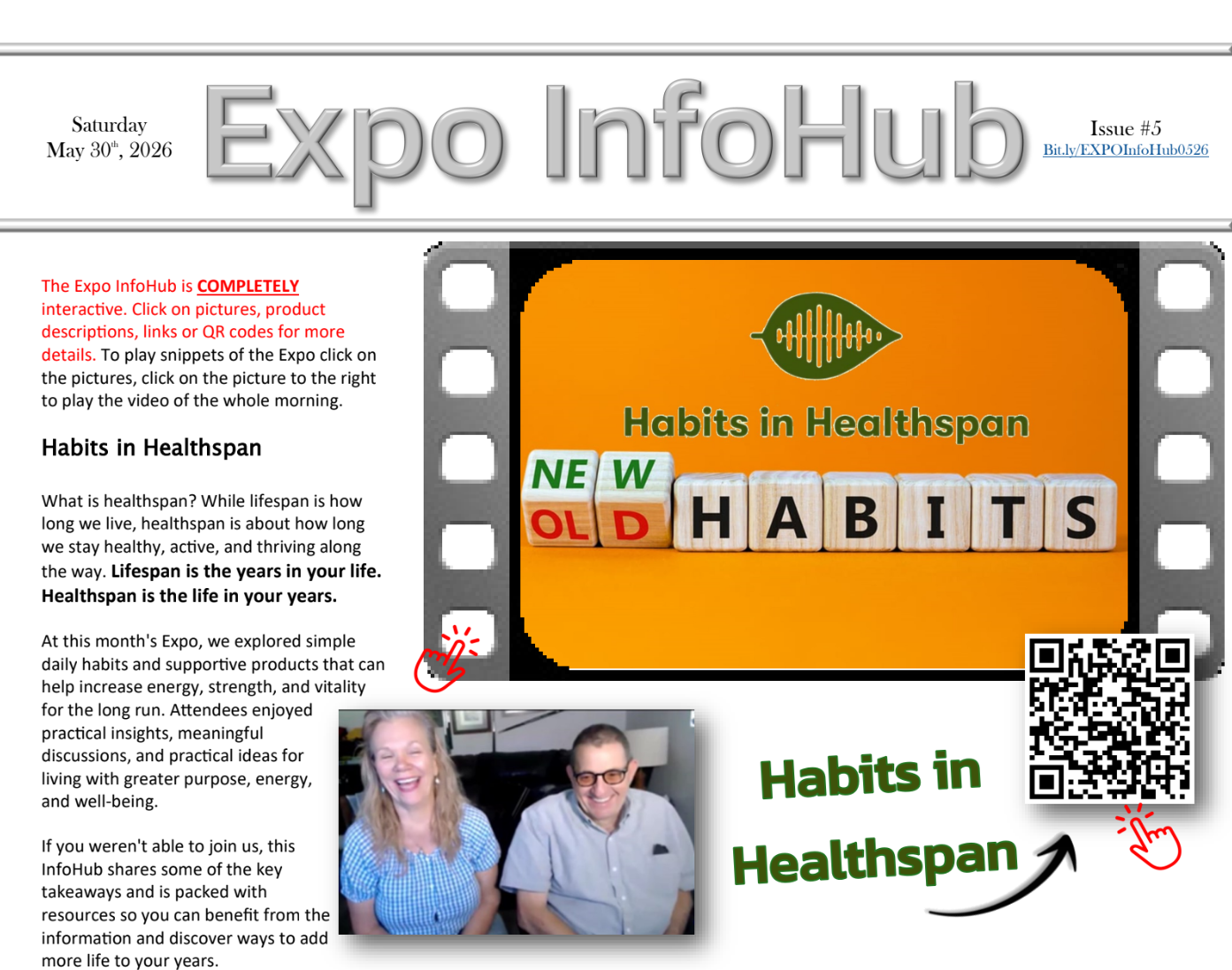
If you would like to learn more about Healthspan and how our solutions may be able to help, please click the link below to
see the NOWExpo InfoHub and see the Expo Replay from Saturday May 30th, hosted by our friends Jeff and Paula.
💻 Click here to see the replay: bit.ly/EXPOInfoHub0526
Thanks for reading, and I’ll catch you in June!
Dion Baker
510.435.9485
Sources:
Muscular Strength Study - National Library of Medicine https://pubmed.ncbi.nlm.nih.gov/29425700/
Chronic Inflammation - National Library of Medicine https://www.ncbi.nlm.nih.gov/books/NBK493173/
How Doctors Measure Healthspan - Superpower.com https://superpower.com/guides/how-doctors-measure-healthspan?srsltid=AfmBOoolJGoVBuqcmuypXeccvKKWIgvtHVHIjJupwtAw7tg-wlAKYRZp
What is Healthspan, and How Can You Extend Yours - EveryDayHealth.com
https://www.everydayhealth.com/healthy-living/what-is-healthspan-and-how-can-you-extend-yours/
Habits in Healthspan - An Amway Podcast